Technologies · 10.09.2025
The e-ID was approved by Swiss voters at the ballot box. Its introduction in winter 2026 will offer companies many new opportunities for processes that require proof of identity.
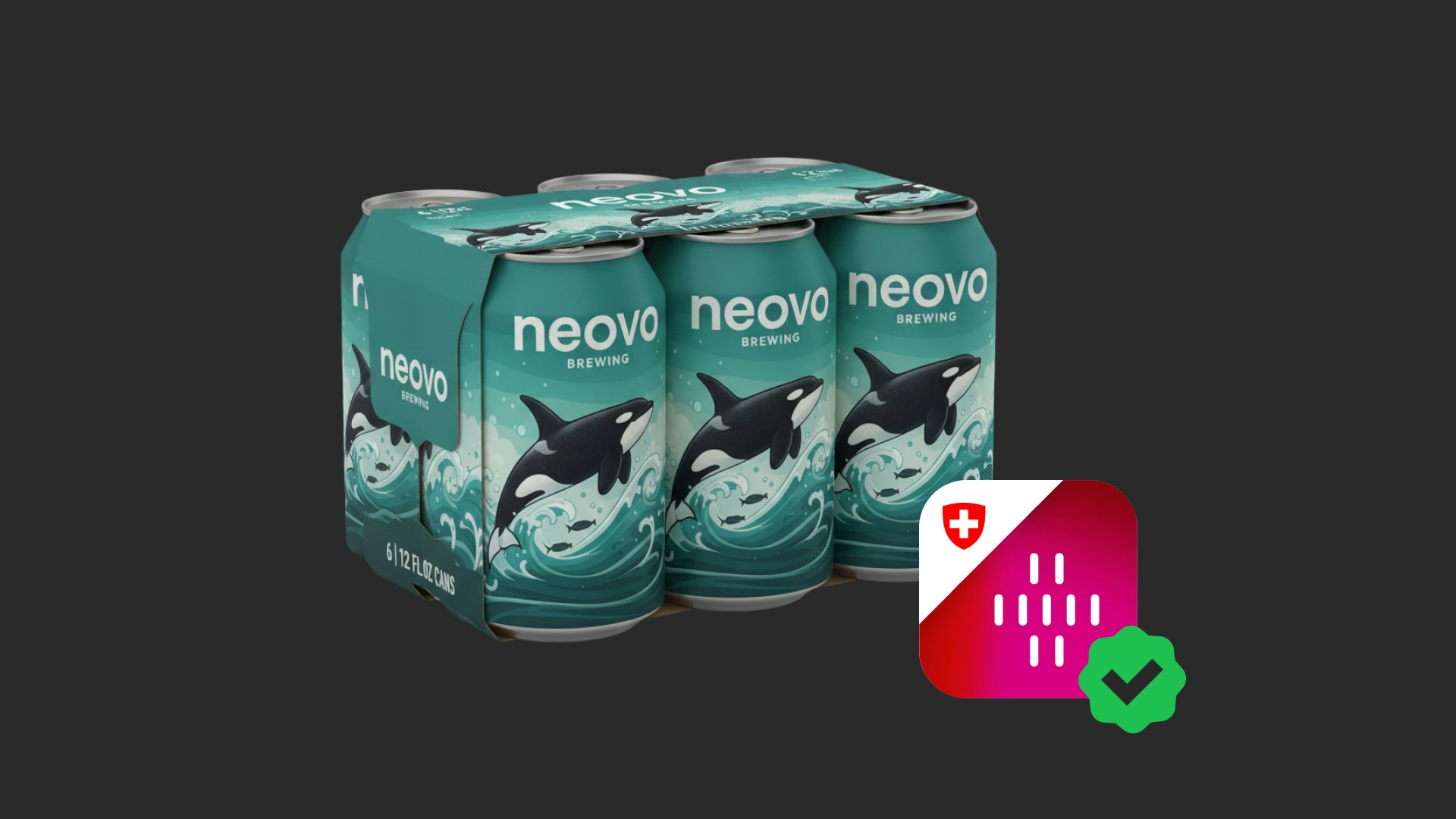
In the future, the e-ID will provide Swiss citizens with a digital proof of identity, similar to the physical identity card. It can be used in digital processes to uniquely identify a person. For example, new mobile phone contracts can be concluded directly online using the e-ID. There is no need to send in or photograph an identity card or passport. Age restricted purchases, such as buying alcoholic beverages online, can also be carried out using the e-ID.
With the e-ID law the Federal Council's so called trust infrastructure was also approved. This opens up a wide range of additional possibilities for digital processes that can be implemented on this basis.
On this page we would like to explain the e-ID and the trust infrastructure and present some possible use cases.

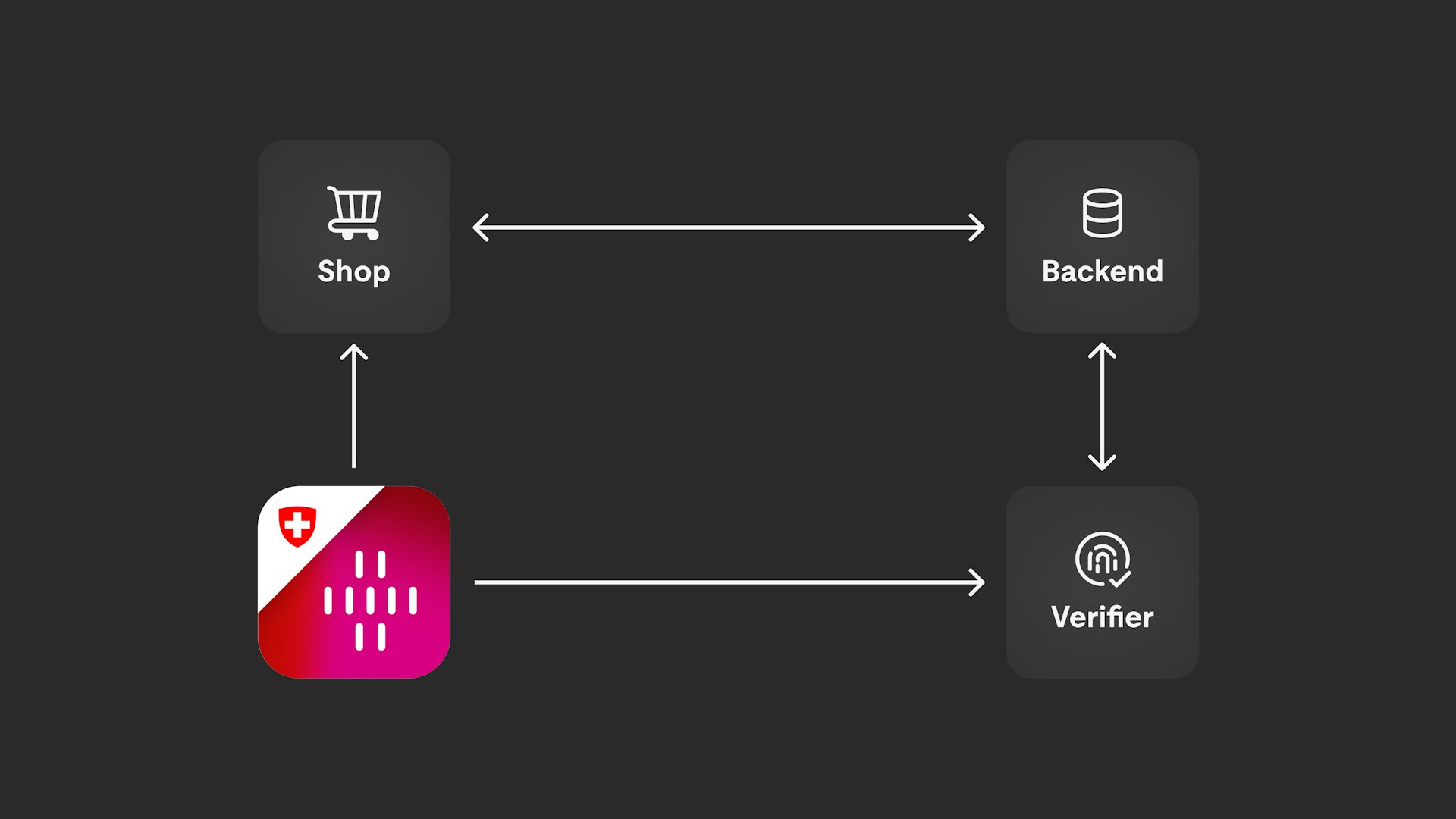
The e-ID is a digital identity document that allows Swiss citizens to identify themselves on the internet. The e-ID itself is stored in a so called wallet app on the user's personal mobile phone. This means it is not stored in any cloud infrastructure and can therefore only be used by the owner of the mobile phone. Whenever it is used, the e-ID is verified by the federal authorities so that misuse is prevented.
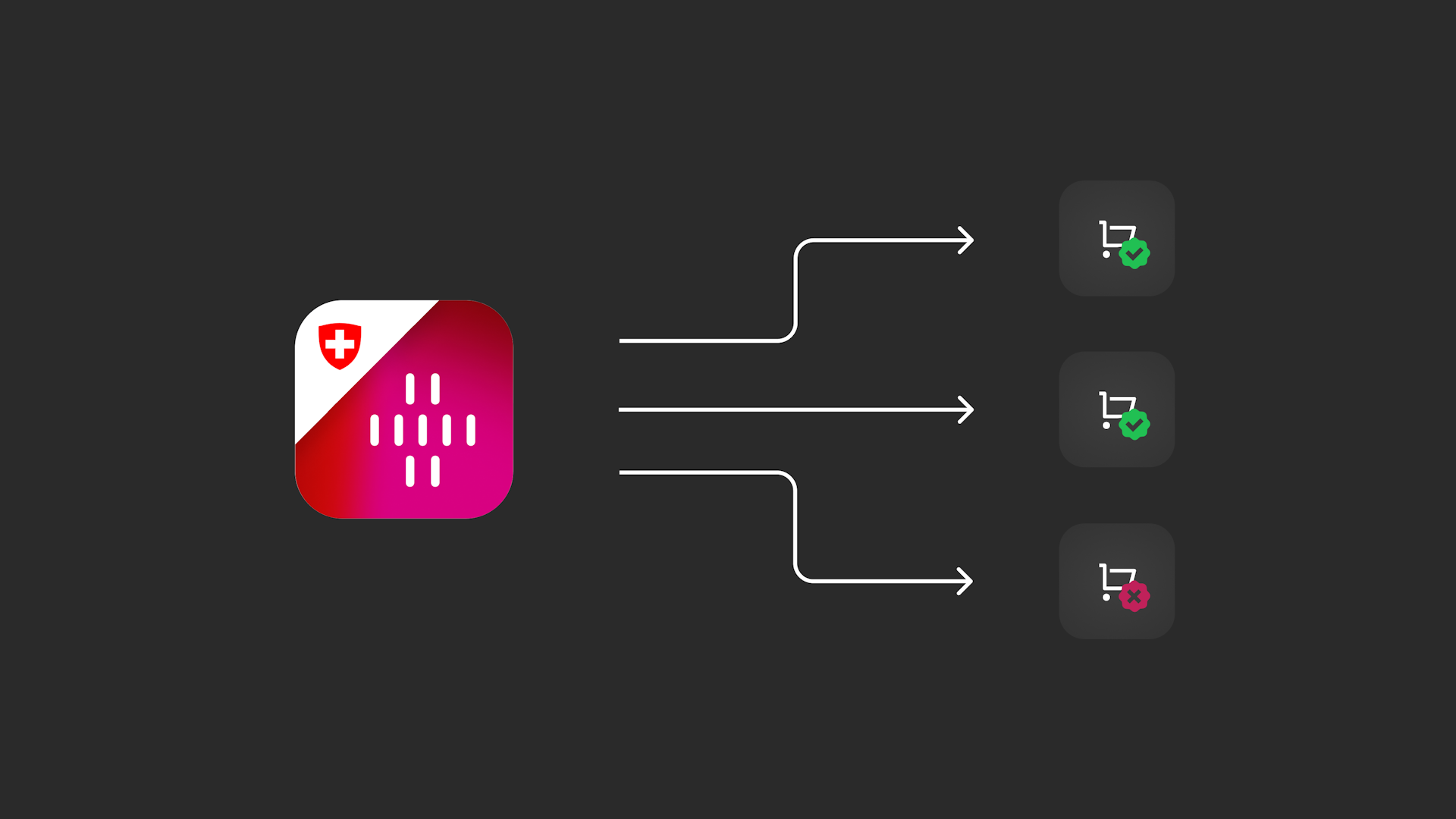
Verifying parties such as online shops, must also register with the federal authorities. In addition to performing the verification they define which data may be requested under the law and which may not.
For each verification it must be specified exactly which data should be requested from the e-ID. This can be for example, the age, the date of birth or even only the information whether the person is already 16 or 18 years old. The requested fields are listed transparently for the person who can then decide whether to accept the data transfer or not. If an online shop attempts to request data for which it is not authorised, a warning is shown to the user.
We have already implemented the e-ID verification in our demo beer shop and made it available for you to try out. You can find the shop here (only in German): https://shop.playground.neovo.ch/
You can find more information about the store and its verification in this blog post: The e-ID in Action: Buy Our Beer Now!
We are happy to support you in integrating e-ID verification into your online shop and in developing further use cases.
As mentioned in the introduction the so called trust infrastructure was also approved together with the e-ID law. It provides the foundation that makes secure digital verifications possible in the first place, including verifications using the e-ID.
The infrastructure consists of various services that are developed by the federal authorities and made available to the public. Development takes place completely open source on GitHub (https://github.com/swiyu-admin-ch) so that all interested parties can review the implementation at any time and provide input and suggestions.
The two most important services are the issuer service and the verifier service.
The issuer service is used to issue new credentials and to verify them when they are used.
The verifier service initiates new verifications and defines which data is requested in the process.
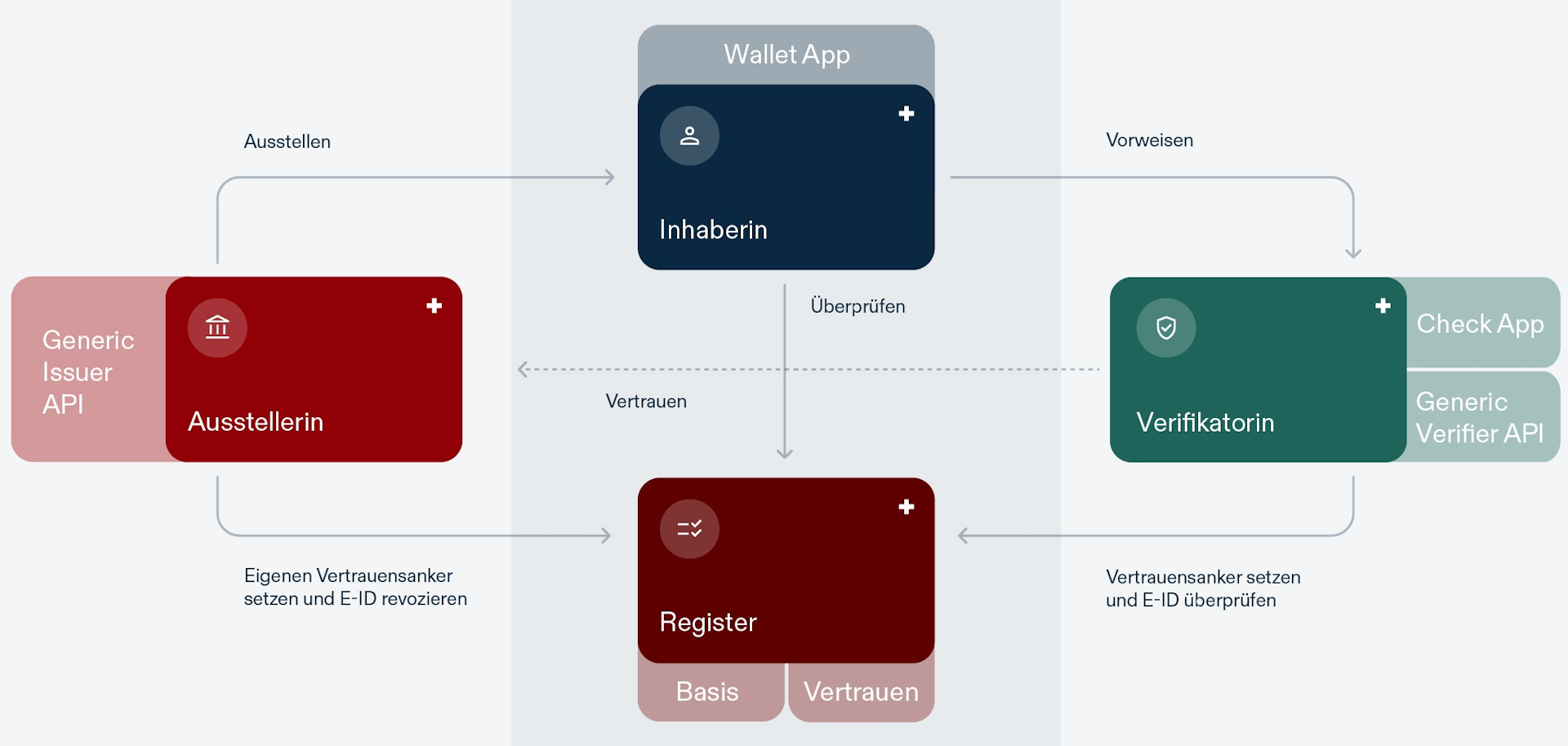
The e-ID itself is only one application of this trust infrastructure. For it the federal authorities provide the issuer service in which all users of the e-ID must register and be verified before they can use it. Users in this case are not only citizens who want to obtain an e-ID for themselves but also companies that want to request information from it, such as online shops or mobile network operators. This allows the federal authorities to ensure that verifying parties only request the information they need on the basis of applicable law. For example, an online shop that sells alcohol may only request whether a person is already 16 or 18 years old and not their full date of birth or more specific data.
The trust infrastructure opens up a wide range of possible applications that can be offered in the future:
Digital issuance and verification of association or club memberships.
Digital execution of elections and votes.
Collection of digital signatures for a popular initiative.
Access control for bars or club events with age restrictions.
Access systems for office premises using a mobile phone as a badge.
As you can see the areas of application for this trust infrastructure are almost unlimited.
We are happy to help you develop and implement your ideas.
The e-ID and especially the trust infrastructure are more than just a technical foundation. They enable new, trustworthy digital processes for almost every industry. The examples mentioned are only a small selection of the possibilities these new infrastructures will offer in the future. Many further use cases will only become visible in the coming years as companies adopt the potential for onboarding, digital credentials, access models and seamless services.
We help identify suitable use cases, assess their value and implement them efficiently, from idea validation through prototyping and UX to integration into your system landscape.
If you would like to find out which opportunities this creates for your company, feel free to get in touch with us.

Jürg Hunziker
Software Developer
I'm happy to discuss your project with you.
Contact JürgJürg Hunziker
Software Developer