Industry 4.0 in Practice
Industry 4.0 is a key topic in digital transformation for many companies. At the same time, it is often unclear what exactly it means and how to get started in practice. This article gives a concise overview of what Industry 4.0 is and how we at Neovo AG can support you with web development and system integration, including in SAP and Fiori environments.

Integrations · 20.11.2025
What is Industry 4.0
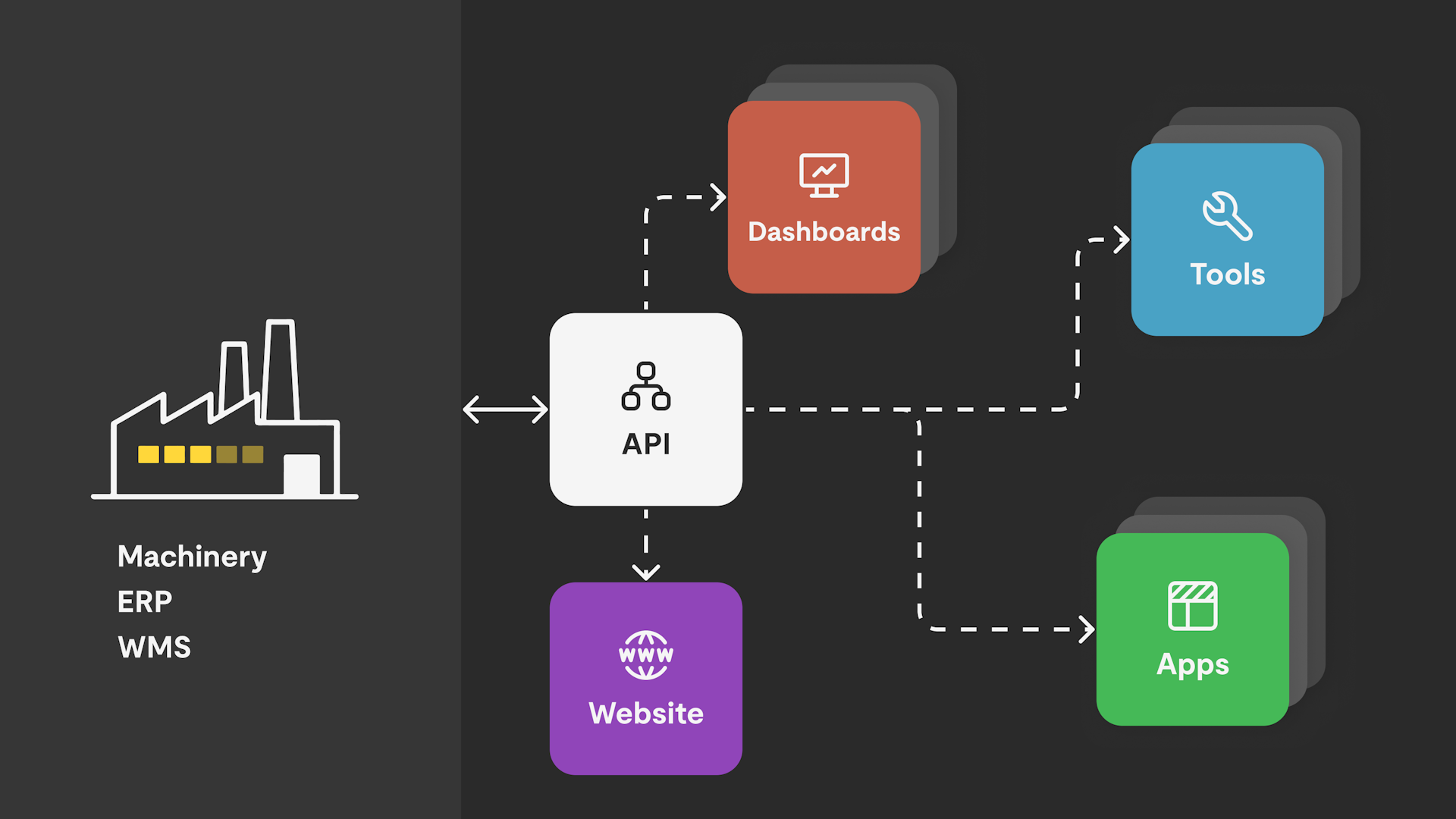
Industry 4.0 describes the networking of machines, equipment, IT systems and people into an intelligent, data driven production environment. The goal is to make manufacturing processes more transparent, efficient, flexible and easier to control.
Typical elements of Industry 4.0 are:
Connected machines and sensors that continuously send status and process data
Central data hubs where production data is collected and analysed
Web based interfaces and dashboards that visualise KPIs in real time
Integrated systems where ERP, MES, WMS, planning and shop floor systems communicate with each other
Data driven decisions, for example in maintenance, quality or capacity planning
Industry 4.0 is therefore not a single piece of software, but the interplay of IoT (Internet of Things – the network of physical objects equipped with sensors and software that can collect and exchange data over the internet), data analytics, web applications and integrated systems, embedded in the processes of a manufacturing company.
What Neovo AG brings to the table
Neovo AG consolidates this experience and focuses on two main areas:
Web development for industrial applications
System integration between systems, machines and the cloud
We deliberately work at the interface between production and IT. This means we understand the challenges on the shop floor as well as the requirements for clean software architectures and secure data flows.
Typical topics where we support our customers:
Making Industry 4.0 strategy tangible
We translate abstract goals into concrete digital use cases. For example transparency on OEE (Overall Equipment Effectiveness), digital order overviews, monitoring or information at the workstation.
Web applications in production environments
Development of web dashboards for production KPIs, building portals for maintenance, quality or planning, and implementing lean web apps for employees and management.
Interfaces and integrations
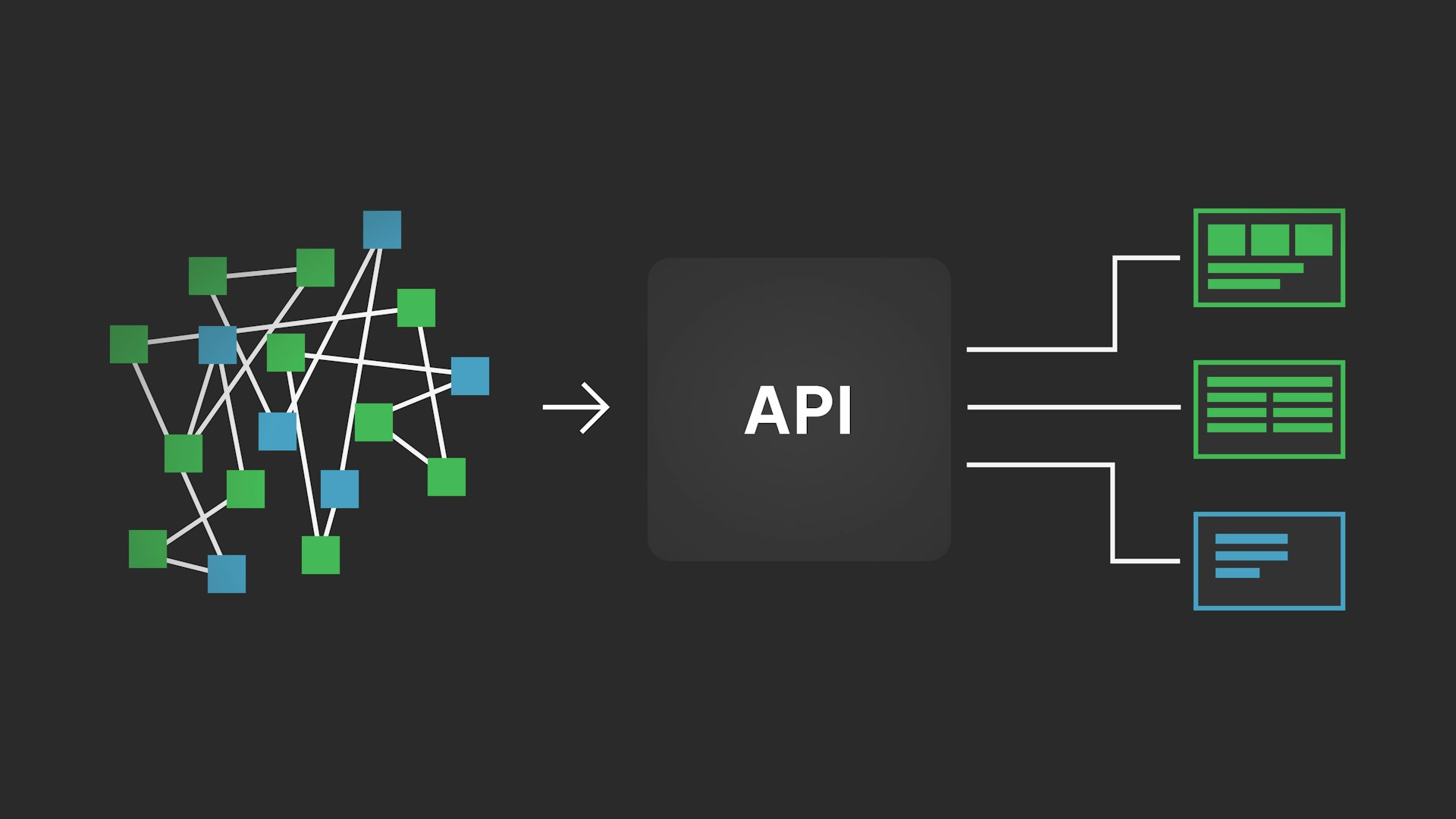
Connecting machines and equipment to central systems, integrating ERP systems, MES, shop floor data collection or cloud platforms, and building data hubs and APIs for further projects.
Architecture and implementation
Consulting on system architecture, data structures and security, iterative implementation from prototypes to productive solutions, plus maintenance and support after go live.
Industry 4.0 with SAP and Fiori apps
Many manufacturing companies use SAP as their central ERP system. In the context of Industry 4.0 this is a major advantage, because Fiori apps already provide a wide range of modern, web based user interfaces.
Key points from our experience:
If a company uses SAP, the possibilities with Fiori apps are in many areas almost as diverse as with custom web applications
Core processes such as order confirmations, stock information, maintenance orders or quality notifications can often be mapped directly with standard Fiori apps
Where standard Fiori apps are not sufficient, extensions or custom Fiori apps can be developed and cleanly integrated into SAP
Our role as Neovo AG in this environment:
Evaluating whether a requirement is better implemented with an existing or extended Fiori app, or with a custom web application
Designing and building custom web apps that communicate with SAP via interfaces and are tailored precisely to the needs of production
Building integration layers that connect SAP, machines, sensors and other systems so that data flows consistently and reliably
In this way we combine the strengths of SAP and Fiori with the flexibility of modern web development and create solutions that are practical, high performing and future proof.
How we support your Industry 4.0 initiative
A collaboration with us typically looks like this:
Analysis
Together we examine your production processes, existing systems and data sources. The focus is on media breaks, lack of transparency and manual steps.
Target picture and use cases
Together we define a clear target picture for your roadmap. We then prioritise concrete use cases that create visible value quickly.
Architecture and technology decisions
We design a lean architecture for web applications, interfaces and data storage. In doing so we take existing systems such as SAP, MES or machine controllers into account.
Iterative implementation
Instead of big bang projects we rely on iterative development. Prototypes are tested early in daily operations and then expanded step by step.
Rollout and further development
After a successful start we support the rollout to additional areas. New use cases can build on the same architecture and your existing system landscape grows in a controlled way.
Another key success factor in Industry 4.0 projects is employee satisfaction. Internal users do not need complex form jungles, they need modern, clear interfaces and simple processes. Unfortunately, internal applications are often neglected because they are not visible to customers. Our experience shows that the additional effort for a good user interface pays off very quickly. Employees prefer to work with a clear and intuitive application, make fewer mistakes and require significantly less training. That is why we always involve a UX designer, even in very technical applications, to ensure that functionality and usability go hand in hand from the very beginning.
Conclusion
Industry 4.0 offers enormous opportunities for manufacturing companies. More transparency, better control, higher efficiency and optimised processes. The key is to choose the right use cases, connect systems in a meaningful way and build solutions that work in everyday operations.